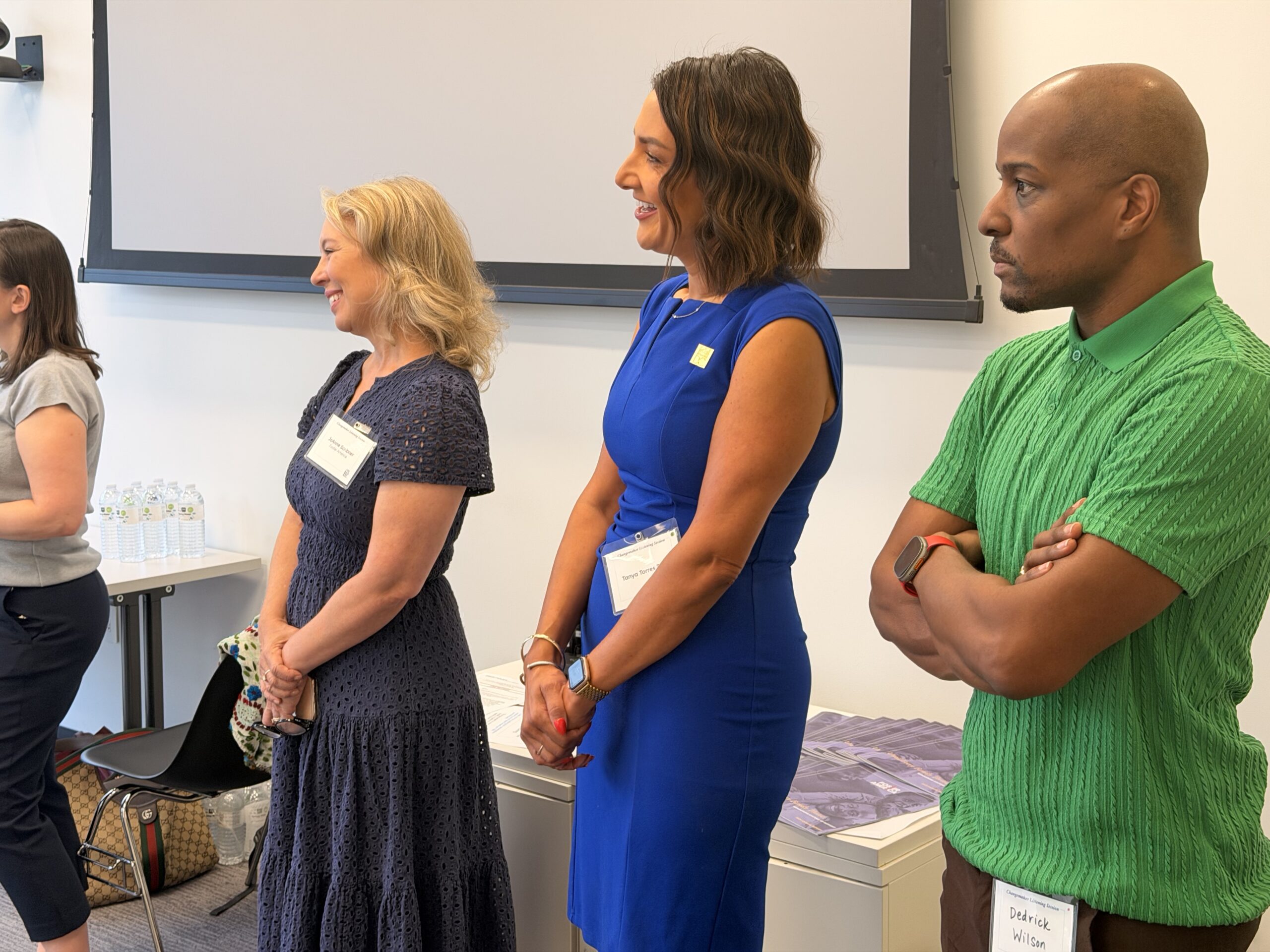
Across the country, Foster America is convening Changemaker Listening Sessions to bring together people from across the child and family well-being ecosystem—leaders with lived expertise, community advocates, service providers, funders, policymakers, and systems leaders. These gatherings create space to listen across diverse perspectives, surface local wisdom, and explore what it will take to build a future where families can access the support they need before challenges become crises.
As part of Foster America’s 10th anniversary, the insights from these conversations will help inform a broader national dialogue about the future of prevention, partnership, and systems change. What follows is one reflection from a recent listening session in Seattle and a reminder of the power of simply sitting together.
At Seattle’s Changemaker Listening Session, I was reminded that sometimes the most transformative work doesn’t begin with a strategy.
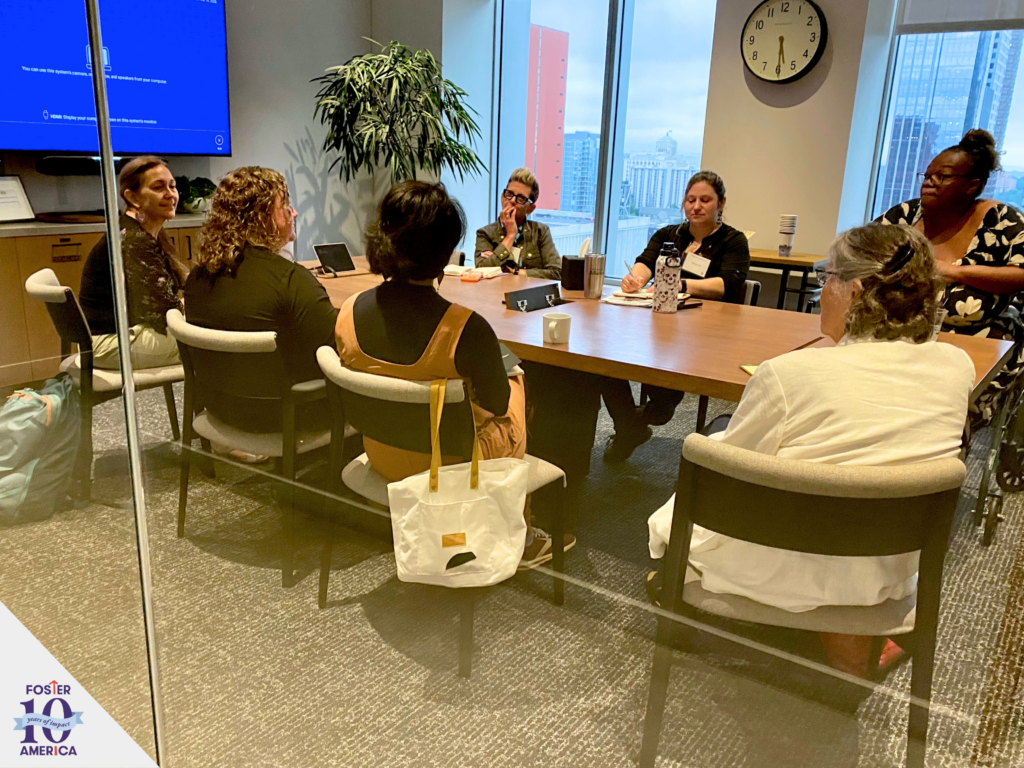
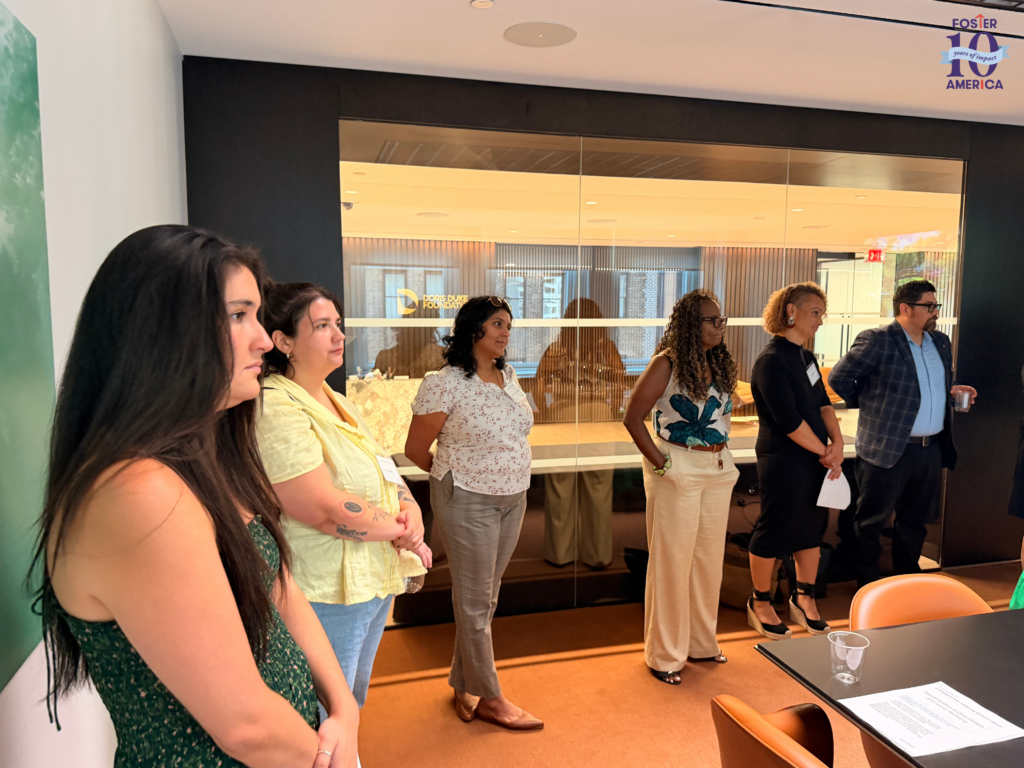
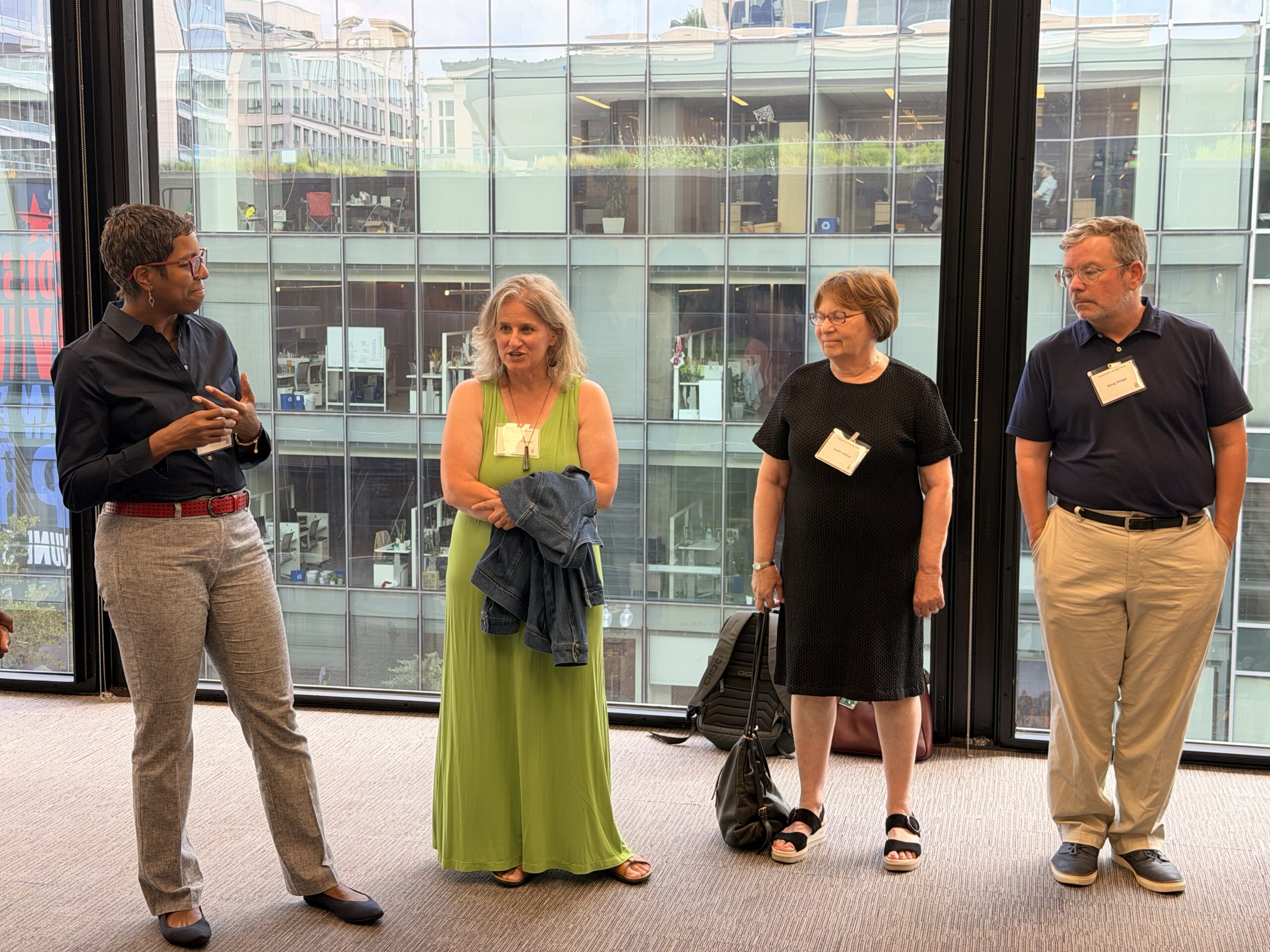
Around one table sat people who had never met alongside people who had been in relationship for years. There were lived experts, community leaders, advocates, funders, tribal leaders, service providers, and systems change leaders. Some spend their days closest to families navigating the child welfare system. Others work to reshape the policies, funding, and structures that influence those experiences.
Different perspectives. Different roles. Different relationships to the work.
But united by a shared purpose: creating a future where children and families can thrive.
Not conversations where one voice teaches and another listens. Conversations where everyone listens. Where hierarchy softens. Where lived expertise carries the same weight as professional expertise. Where innovation becomes a shared leadership experience instead of something reserved for those with titles or authority.
These are the spaces Foster America has been creating for years, and tonight reminded me why they matter.
For some, community meant people who share lived experience—much like recovery communities or kinship groups. For others, community was rooted in race or culture. Others described community geographically, through neighborhoods and place. Others spoke about youth as community.
Different definitions. One shared truth.
Community is where healing begins.
Community is where solutions already exist.
Community is where change becomes sustainable.
Whether participants were talking about mutual aid, authentic engagement, Indigenous traditions of collective caregiving, or helping young people learn to pause, breathe, and reconnect with their bodies, every story pointed back to the same lesson: lasting transformation happens through relationships.
We also talked about resources, not simply raising more money, but reimagining how resources flow.
Communities shouldn’t have to chase dollars.
We already know where the needs are. We know where families are experiencing housing instability. We know where foster care involvement is highest. We know where communities have carried disproportionate burdens for generations.
Perhaps what I appreciated most was the hope that emerged.
It would be easy to forget, in this moment, that immigrant communities are under attack, housing has become increasingly unaffordable, and too many families are struggling just to make it through the day.
And yet, in that room, something else was louder.
Hope. Resilience. Innovation. Collaboration. Co-creation.
The kind of hope that isn’t naive, but earned through experience. The kind that reminds you that another way is possible.
Tonight was just one stop on a journey.
Over the coming months, Foster America will continue traveling across the country, listening to changemakers whose stories, insights, and lived experiences are shaping the future of child and family well-being. Those conversations will culminate this November in Washington, D.C., as we celebrate Foster America’s 10th anniversary and bring these local reflections into a national conversation about what’s possible next.
I hope you’ll follow along.
Because the future won’t be built by a single organization or a single perspective.
It will be built the way it began tonight…by sitting together, listening deeply, and imagining what’s possible when we choose to lead together.