
Donate

About Us

Our History

Building a Better Way to Support Families.

Foster America was founded to create an alternative to a child welfare system that too often responds after harm occurs—by testing new approaches, learning from communities, and building prevention-first systems that keep families together.

From Idea to Impact

The milestones below reflect how Foster America’s work has evolved through practice and learning—expanding from leadership development to a broader, systems-focused approach that aligns policy, funding, and community leadership. Rather than a single model, our history shows an approach shaped by what communities teach us—and by what families need most.

A

2016

Sherry Lachman and Marie Zemler Wu found Foster America to transform the child welfare system

2018

Foster America fellows secure $3M in grants to support intensive systems– transformation work in Colorado and Los Angeles

2020

Foster America achieves independent
501(c)(3) nonprofit status

2022

The Board of directors approves new strategy focused on bolstering resources for families and children before the child welfare system becomes involved
2023

The organization launches its first Changemaker Circle, the next evolution in Foster America’s fellowship offerings

2024

Foster America serves as a founding partner of OPT-In for Families, a groundbreaking initiative of the Doris Duke Foundation
From Idea to Impact

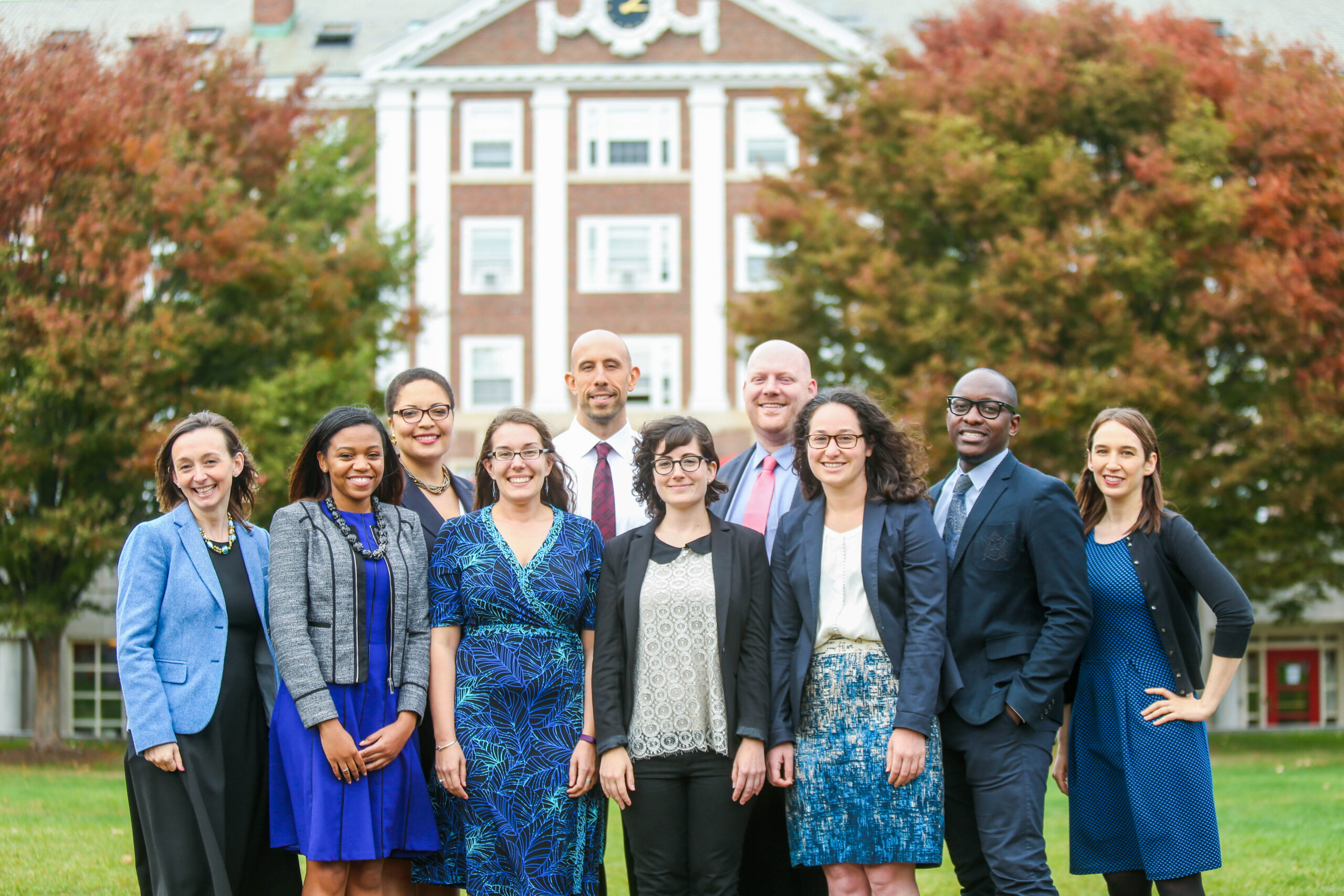
Co-founders Sherry Lachman and Marie Zemler Wu established Foster America in 2016 to build an alternative to a system in need of fundamental change. The child welfare system places too many children—especially children of color and children from low-income families—into foster care when they could be kept safely at home with the right support. It too often causes fear and isolation rather than connection and care, and it shuffles children through multiple placements, compounding trauma with little evidence of improved outcomes for families.

Foster America began with a clear hypothesis: that bold, diverse leaders—embedded inside systems—could help catalyze change where it was most needed. Inspired by leadership models in education, health, and immigration, we set out to attract and support innovative talent to tackle the toughest challenges in child welfare and to prevent the downstream consequences of system failure, including intergenerational poverty, homelessness, and justice system involvement.

From 2016 through our first five years, Foster America focused on building leadership capacity and testing new approaches through our fellowship model. We recruited, placed, and supported fellows working inside state and county governments and nonprofit organizations across the country. These leaders led real-time innovation projects—reimagining policy, practice, and systems from within.

By the end of our fifth year, Foster America had supported 63 change projects across 17 states and territories, with nearly all alumni continuing in influential roles in the social sector. Just as importantly, we had built credibility, trust, and a growing national network of leaders committed to a different future for families. 

But success also brought clarity.

As our early work matured, a deeper truth emerged: leadership alone is not enough to transform systems. The most promising changes we saw required aligned policy, reimagined funding structures, community leadership, and sustained learning across sectors. We saw that lasting change depended not just on who was in the room—but on how systems were designed, resourced, and governed.

At this inflection point, Foster America made a deliberate choice to evolve.

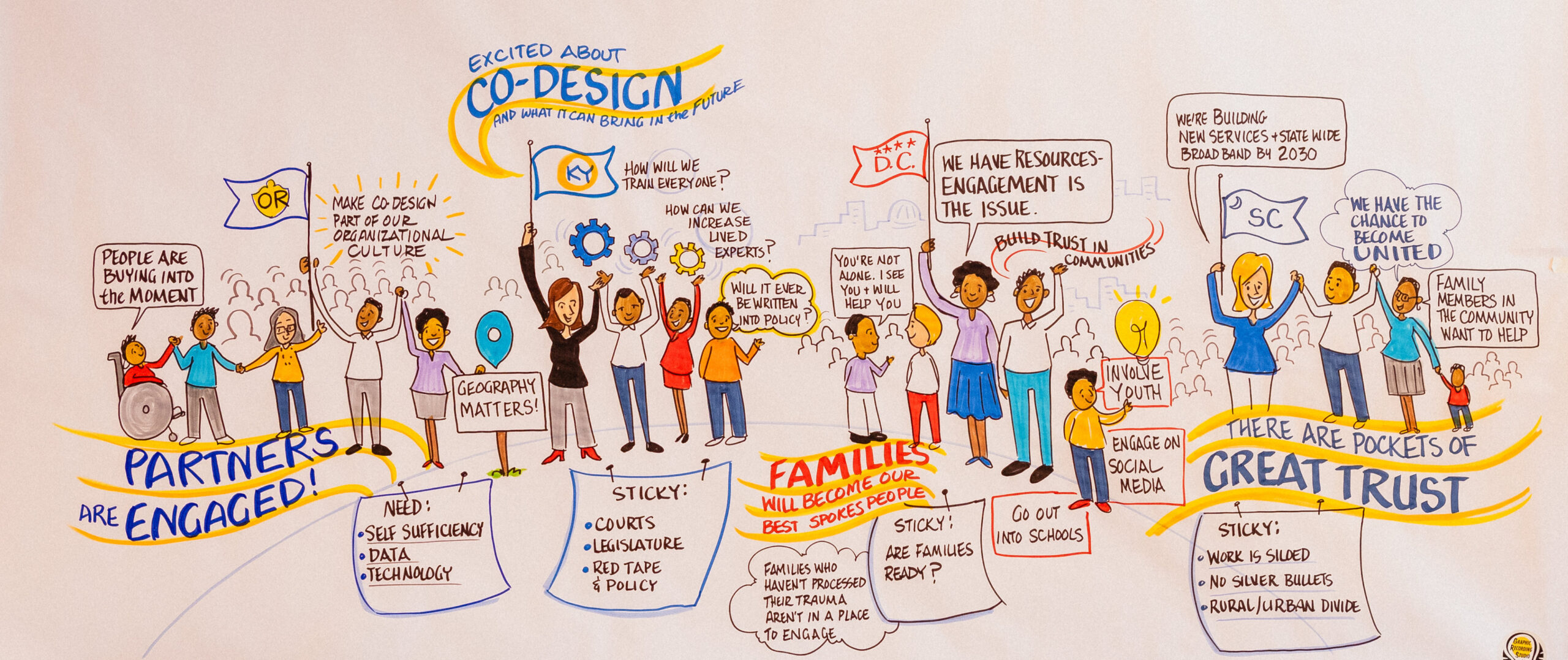
Beginning in our sixth year, we embarked on a strategic planning process to grow beyond a single model and launch a new chapter of impact—one focused on place-based systems change, co-design with families and communities, and shifting resources upstream to prevent harm before it occurs. This evolution was informed by our alumni, partners, people with lived experience, and national experts, and guided by a clear commitment to racial equity.

Today, Foster America works alongside communities and governments to design and demonstrate new approaches to family well-being—from voluntary alternatives to child abuse hotlines, to prevention financing strategies, to data systems that support accountability and learning. Our work is grounded in four core strategies: co-design, collaboration, shifting resources, and learning—each shaped by the lessons of our first five years and refined through real-world implementation.

Strategic Implementation

Now in our tenth year, Foster America is no longer just testing ideas—we are helping communities prove what’s possible, connect local innovation to national learning, and build momentum toward a future where families receive support without fear and the foster care system is smaller, more humane, and used only when truly necessary.

As we look ahead, this next chapter builds directly on what came before—grounded in leadership, informed by evidence, and driven by the belief that families belong together.

Our Cohorts: Turning Ideas into Action

Cohort #1

In October 2016, we launched our first cohort of fellows, who accepted full-time positions at the child welfare agencies serving New York City, Allegheny County (Pittsburgh, PA, metro area), and Rhode Island.

Watch Video

Cohort #2

In January 2018, we launched a second cohort of fellows in our original sites and six new jurisdictions, including in child welfare and early childhood agencies serving Connecticut, the District of Columbia, Minnesota, Missouri, Santa Clara County (CA) and Washington State.

Watch Video

Cohort #3

In January 2019, we launched our largest cohort to date with fellows in 15 host agencies nationwide. For the first time, this cohort included four fellows in Los Angeles County and five fellows in the state of Colorado who collaborated on their reform efforts.

Watch Video

Cohort #4

In October 2019, we placed a cohort of fellows across 10 jurisdictions. As part of this group, a team of fellows joined across multiple regions in Minnesota to collaborate with each other on ways to prevent child maltreatment.

Watch Video

Cohort #5

In October 2020, Cohort 5 became the first cohort to begin the fellowship virtually amid the COVID-19 pandemic. Despite challenges of a virtual start, fellows were quickly brought into the fold in their placements in California, Washington, Ohio, and Oklahoma.

Watch Video

Cohort #6

In May 2021, the sixth cohort of Foster America fellows began work in California, Washington state, Oklahoma and Colorado. For Cohort 6, Foster America expanded its team model to strengthen collaboration and scaling of positive results.

Watch Video

Our Mission, Vision and Values

Our vision, mission, and values guide how we partner with communities and governments to redesign foster care and child welfare systems.

Learn more

Approach & Strategy

We partner with communities and governments to shift foster care and child welfare systems toward prevention-first approaches. By centering lived experience and aligning partners, funding, and learning, we help build solutions that address root causes and create systems change that lasts.

Learn about Our Approach & Strategy
Ten Years of Reimagining How We Support Families

In 2026, Foster America marks a decade of building an alternative to a child welfare system rooted in crisis—and proving that families thrive when support comes early, with dignity, and led by community.