

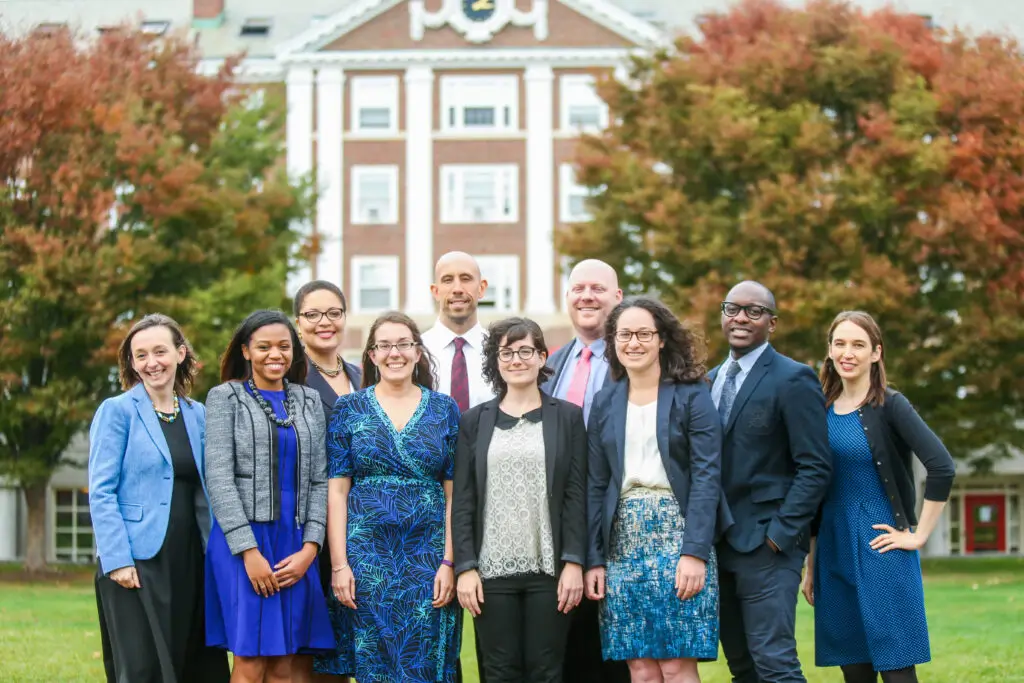
In 2026, Foster America marks a decade of building an alternative to a child welfare system rooted in crisis—and proving that families thrive when support comes early, with dignity, and led by community.
As Foster America marks 10 years, Co-Founder and Executive Director Marie Zemler Wu reflects on the relationships, learning, and shared purpose that have shaped this work—and the urgency of what comes next.
Marie Zemler Wu,
Co-Founder & Executive Director
My journey at Foster America began, as many transformative journeys do, with a connection. A chance reunion in 2016 helped bring a vision for change into focus—one grounded in the belief that families thrive when communities, leaders, and systems work together in new ways. Ten years later, that vision has grown into a national network of changemakers working to prevent unnecessary system involvement and build new pathways for families to thrive.
Over the past ten years, Foster America’s work has evolved through practice, partnership, and learning. Each milestone reflects how communities, leaders, and families are shaping systems that better support family well-being.

Foster America was founded in 2016 to confront a system that too often intervenes too late, separating families without improving long-term outcomes. The organization began as a national fellowship, placing leaders with expertise in data, design, policy, and strategy inside public systems and community organizations. These leaders worked alongside frontline partners to test new approaches to prevention and family support.
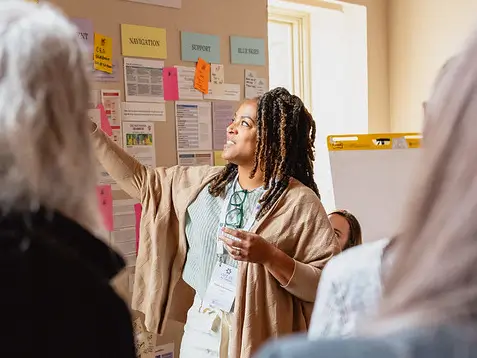
As this work grew, so did the insight: lasting change requires more than individual leadership. Communities need aligned policy, funding, and shared learning to sustain progress. So, in 2022, Foster America expanded its focus, moving from a single fellowship model to a broader systems-change approach, while continuing to support leadership through targeted networks and learning communities.
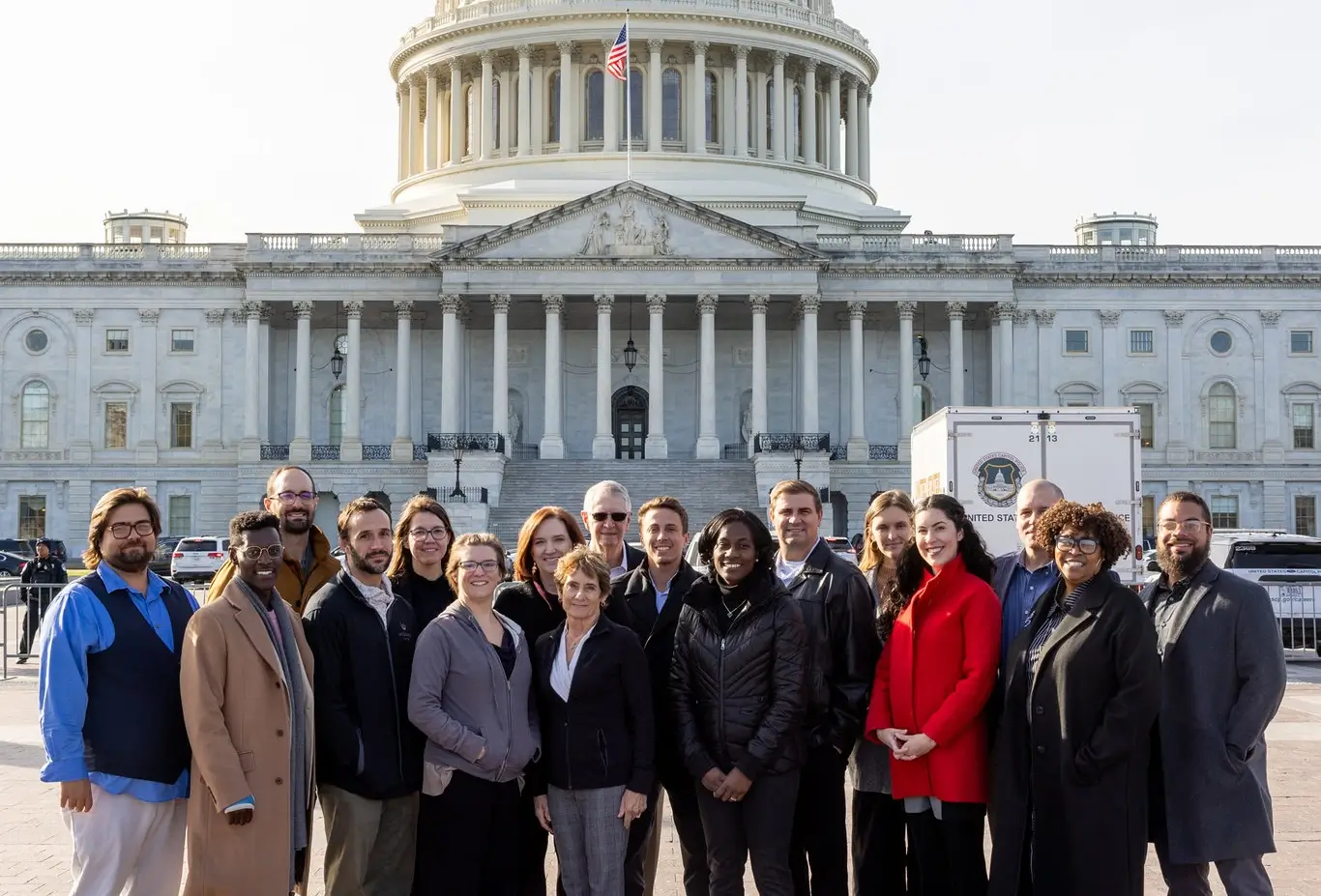
Today, Foster America works upstream with communities and governments to redesign how support reaches families—before crisis occurs. We don’t run programs; we help create the conditions for prevention to last by:
• Centering lived expertise in decision-making
• Aligning policy, funding, and data toward
prevention
• Connecting local innovation to national learning
• Supporting leaders to move from pilots to
durable change
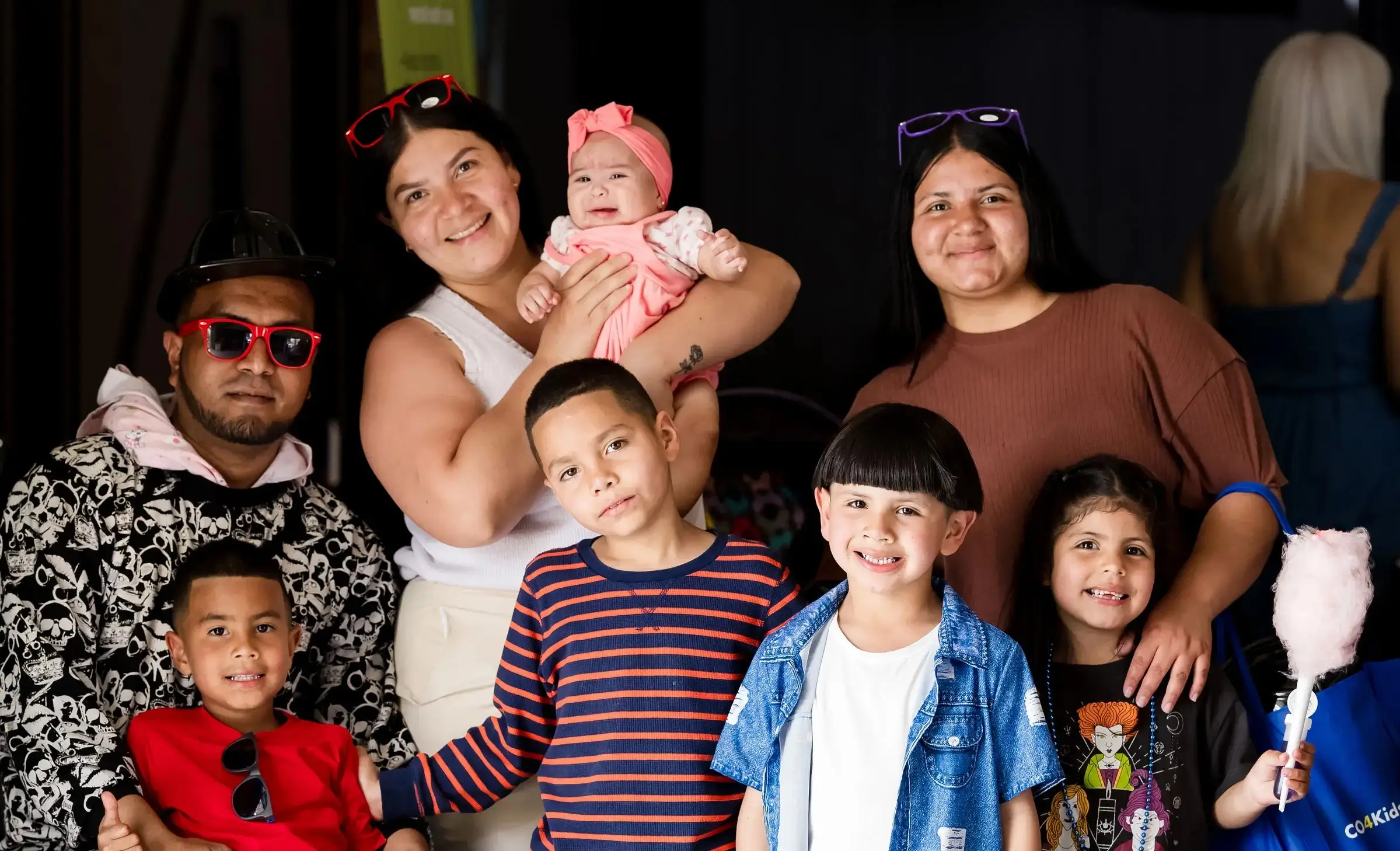
The first 10 years have shown what’s possible. The next decade is about deepening impact, expanding learning, and strengthening prevention-first systems across more communities.
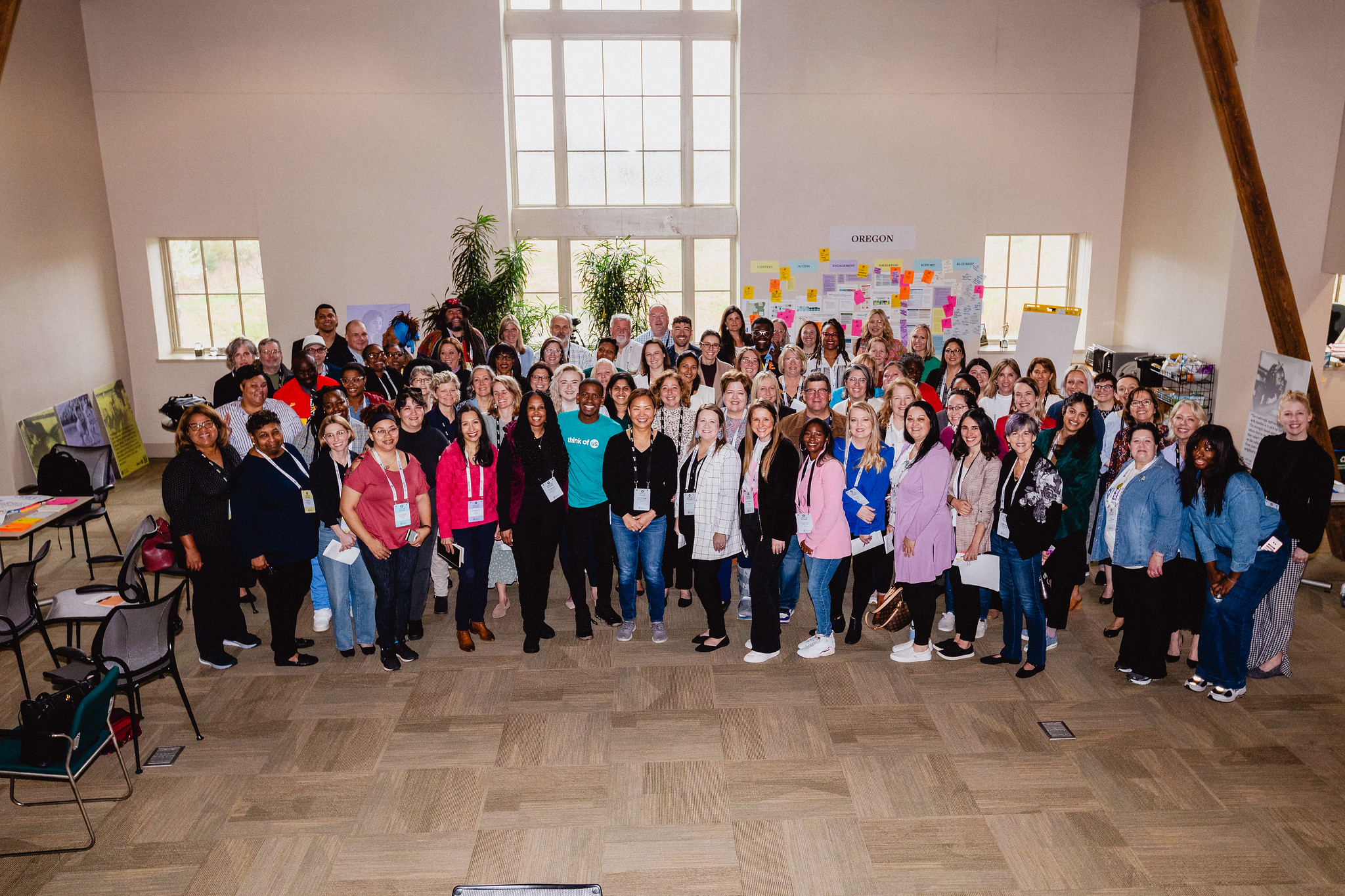
Foster America’s work is built through partnership, by communities, leaders, funders, and collaborators committed to helping families thrive.
Your donation supports our ability to partner with local governments and communities, offering the types of support families truly want and need.
We work with communities and governments to test what works and share the learning so progress in one place can strengthen systems everywhere.
In 2026, Foster America marks a decade of building an alternative to a child welfare system rooted in crisis—and proving that families thrive when support comes early, with dignity, and led by community.